Do I need to lacquer my blade?

This user has no status.
Member
Apr 2019
123
53
213
Hi Friends,

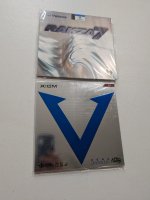
After the suggestion from multiple members of this group. I got my FH Razka 7 2.0 and BH XIOM Vega Europe 2.0.

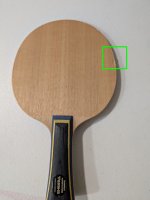
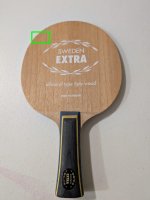
My question is do I need to lacquer/seal my blade again after I have removed my older rubbers?

I did buy Revolution No. 3 sealer but just wanted to make sure if it does not become to slipper because of sealing again? As It says that is sealed from factory but again my rubbers were there on the blade for 5-6 years.


Thanks,
Coolchap
 

Attachments

  • WhatsApp Image 2025-07-17 at 10.02.06 PM.jpeg
    WhatsApp Image 2025-07-17 at 10.02.06 PM.jpeg
    251.9 KB · Views: 452
  • WhatsApp Image 2025-05-24 at 10.52.59 PM(1).jpeg
    WhatsApp Image 2025-05-24 at 10.52.59 PM(1).jpeg
    376.5 KB · Views: 164
  • WhatsApp Image 2025-05-24 at 10.52.59 PM (1)(1).jpeg
    WhatsApp Image 2025-05-24 at 10.52.59 PM (1)(1).jpeg
    433.1 KB · Views: 164
says Pimples Schmimples
🏆 Top 1% Commenter
Well-Known Member
Sep 2022
2,039
2,057
8,332
Since it's been 6 yrs and you have the sealer to hand I would personally give it a thin coat to ensure no splintering in the future but given that it's sealed from the factory it may not be necessary - I'd just err on the side of caution.
I've never had issues of glue not adhering due to lacquer/sealer but maybe that depends on the glue you're using?
I use DHS 15 with one coat on the blade and two on the sponge.
Good choice on setup too, I think you will enjoy it!!
 
This user has no status.
🏆 Top 1% Commenter
Well-Known Member
Jan 2024
2,208
2,885
6,904
Read 2 reviews
is there any specific kind of sand paper that needs to be used? I guess they some number like 400, 800 anything like that?
The goal is to scratch the surface, not to remove the layer. Also not to make it smoother. So yeah something in those regions will do.
 
  • Like
Reactions: haggisv
This user has no status.
Member
Aug 2024
218
124
426
No. Some say it's imperative, because the handle will absorb the sweat and add weight to the blade over time. I don't think it will add .that. much weight, and most of the moisture from your hands will probably evaporate from the handle anyways.
Also, a lacquered handle + sweat will turn into either a completely smooth, slippery handle, or a sticky, nasty finish depending on what kind of lacquer you're using.
 
This user has no status.
Member
Sep 2025
19
7
55
I used Rev 3 lacquer on some parts of the handle and doesn't feel too slippery to me, but I use a grip anyway so I don't care about that. IMO a good quality grip tape feels much better than the bare wood, but that's a decades old debate so each to their own.

I did used a thin layer of nittaku sealer on a nittaku factory sealed blade and then used DHS No. 15 glue without any issues. The point is to wait until the glue becomes transparent and not so sticky when you put your finger on it - only then should be rolled on the blade. I used one thin layer on the blade and 2 layers on the sponge.
 
Last edited:
  • Like
Reactions: impluse101
This user has no status.
Member
Sep 2025
19
7
55
Also, a lacquered handle + sweat will turn into either a completely smooth, slippery handle, or a sticky, nasty finish depending on what kind of lacquer you're using.

To my understanding of physics and biology the sweat itself will eventually seal the handle with a thin layer of dust+sweat (minerals and fat)+grinded small wood particles.
 
  • Like
Reactions: impluse101 and qylw
This user has no status.
Member
Feb 2020
479
370
924
You should not have to reseal you blade unless the previous sealer is still not enough to keep the glue from pulling off splinters from your blade top ply. Some types of wood handles have the tendency to absorb sweat and make the handle stinky and nasty to play with as the smell gets on your hands. Other wood types do not absorb sweat as much so it depends but I always seal my blade handles with Watco Danish Oil as it does not make the handle slippery like polyurethane finishes do but still provides protection against sweat soaking. The only drawback is linseed oil based finishes take more than a couple of days to completely dry off and in the mean time it will smell a bit fishy.
 
  • Like
Reactions: impluse101
This user has no status.
Member
Mar 2022
420
677
2,038
Yes you should seal your handle.

All wood swells up when it gets wet - a phenomenon called wood movement. It's why doors and gates occasionally jam during winter due to water being absorbed from the surrounding damp atmosphere.

If your handle scales swell up too much from either sweat or atmospheric moisture/ humidity, it can potentially affect the throw angle of your blade, especially if it's on the flexy side anyway. Most fine line handles have the wood grain oriented to avoid excessive swelling, but it differs from blade to blade.

Sweat / sebum / dead skin cells do NOT effectively seal timber. This sort of debris is not very hydrophobic compared to regular methods (nor it is very sanitary!) For skin debris and sweat to effectively seal a blade, your sebum would need to effectively act as a drying oil, which it simply doesn't. It simply doesn't cure properly. It also becomes a potential vector for yeast, fungal, and bacterial growth, so just seriously... Ew! Yuck.

Sealing your handle helps prolong the life of your blade. If you sweat excessively from your hands, water from your sweat will start to permeate the core and outer layers of your blade via the open end grain at the bottom of your handle, and will permeate your blade's medial layers via the open end grain on the handle sides itself. Moisture can then 'wick' through the wood's fibrous vessels and surrounding tissue like water up the stem of a cut flower, causing the wood to start to swell and degrade, which effectively means bye-bye blade. If your blade is made with water soluble type one PVA, this will also soften the glue lines over time, hastening the process.

Sealing your blades properly isn't difficult. Traditional drying oil like tung or linseed oils will do the job. if you also use a little 240-400 grit sand paper to LIGHTLY rub down the handle while the oil is still wet, this will also help seal the pores in your handle scale, (assuming that is they used a hardwood to make the handle scales.... This is a traditional French polishing technique, but it does not work so well with softwood handle scales, as they don't have any pores to begin with. If the artificial wood dyes in your fine line handle are also oil based (unlikely but still possible) this might also cause them to run a little bit)

Myself I use Osmo oil to seal my handles. It's a hard wearing, natural blend of plant based drying oils and natural waxes such as beeswax and canuba wax. It's available world wide, and does a magnificent job. It also does a fantastic job of deeping and highlighting the wood grain (assuming that is your handle has decent quality natural wood in the handle, and not the typical heavily-dyed cheap-arse fine line handles most manufacturers use.)

If you can't find Osmo oil, or don't want to pay it's high purchase price, you can try regular danish oil, or bees wax, or candle (paraffin) wax, or even regular polyurethane if you absolutely must.

Alternately, you could simply try burnishing the handle of you like, by simply rubbing it vigorously with a rough cloth, metal scraper, or the back of a piece of sandpaper. If any of the wood's natural oils and extractives are left in the wood after the fine line manufacturing process (which I doubt) they should blend with the melting lignin and form a seal on the wood (assuming there's still enough lignin left in the handle scales as well. Don't try this trick with your playing surface though. The problem with burnishing some woods is any low density areas in the surface can result in corrugations and/or low spots on the playing surface after burnishing... This is not quite such a big deal however with the handle, as it's perfect flatness doesn't matter as much).

But please, for the sake of your blade and your health, don't rely on old sweat, dead skin cells and stale aging sebum to try and seal your handle... No disrespect intended to the original poster, but not only is that a pervasive myth, it's also the most genuinely unhygienic and stomach-churning suggestion I've read in quite a while.

 
Last edited:
  • Like
Reactions: impluse101
This user has no status.
Member
Jul 2023
190
77
457
From my blades, I have 2 blades that I sealed the handle - as do not want to handle to loose or fade its color. (I used DHS blade seal) Problem with this 1 blade handle, it became slippery...my hands dont even sweat much before.

Is there a way to remove the seal of the handle?
Also is there a sealant that wont make the handle slippery?
 
Last edited:
This user has no status.
Member
Jul 2023
190
77
457
No. Some say it's imperative, because the handle will absorb the sweat and add weight to the blade over time. I don't think it will add .that. much weight, and most of the moisture from your hands will probably evaporate from the handle anyways.
Also, a lacquered handle + sweat will turn into either a completely smooth, slippery handle, or a sticky, nasty finish depending on what kind of lacquer you're using.
I used dhs blade sealant. It did become slippery..nice finish tho.
 
This user has no status.
Member
Jul 2023
190
77
457
You should not have to reseal you blade unless the previous sealer is still not enough to keep the glue from pulling off splinters from your blade top ply. Some types of wood handles have the tendency to absorb sweat and make the handle stinky and nasty to play with as the smell gets on your hands. Other wood types do not absorb sweat as much so it depends but I always seal my blade handles with Watco Danish Oil as it does not make the handle slippery like polyurethane finishes do but still provides protection against sweat soaking. The only drawback is linseed oil based finishes take more than a couple of days to completely dry off and in the mean time it will smell a bit fishy.

I might try linseed oil on some cheaper blade to test.
Is there a way to remove seal on handle tho?
 
This user has no status.
Member
Jul 2023
190
77
457
Yes you should seal your handle.

All wood swells up when it gets wet - a phenomenon called wood movement. It's why doors and gates occasionally jam during winter due to water being absorbed from the surrounding damp atmosphere.

If your handle scales swell up too much from either sweat or atmospheric moisture/ humidity, it can potentially affect the throw angle of your blade, especially if it's on the flexy side anyway. Most fine line handles have the wood grain oriented to avoid excessive swelling, but it differs from blade to blade.

Sweat / sebum / dead skin cells do NOT effectively seal timber. This sort of debris is not very hydrophobic compared to regular methods (nor it is very sanitary!) For skin debris and sweat to effectively seal a blade, your sebum would need to effectively act as a drying oil, which it simply doesn't. It simply doesn't cure properly. It also becomes a potential vector for yeast, fungal, and bacterial growth, so just seriously... Ew! Yuck.

Sealing your handle helps prolong the life of your blade. If you sweat excessively from your hands, water from your sweat will start to permeate the core and outer layers of your blade via the open end grain at the bottom of your handle, and will permeate your blade's medial layers via the open end grain on the handle sides itself. Moisture can then 'wick' through the wood's fibrous vessels and surrounding tissue like water up the stem of a cut flower, causing the wood to start to swell and degrade, which effectively means bye-bye blade. If your blade is made with water soluble type one PVA, this will also soften the glue lines over time, hastening the process.

Sealing your blades properly isn't difficult. Traditional drying oil like tung or linseed oils will do the job. if you also use a little 240-400 grit sand paper to LIGHTLY rub down the handle while the oil is still wet, this will also help seal the pores in your handle scale, (assuming that is they used a hardwood to make the handle scales.... This is a traditional French polishing technique, but it does not work so well with softwood handle scales, as they don't have any pores to begin with. If the artificial wood dyes in your fine line handle are also oil based (unlikely but still possible) this might also cause them to run a little bit)

Myself I use Osmo oil to seal my handles. It's a hard wearing, natural blend of plant based drying oils and natural waxes such as beeswax and canuba wax. It's available world wide, and does a magnificent job. It also does a fantastic job of deeping and highlighting the wood grain (assuming that is your handle has decent quality natural wood in the handle, and not the typical heavily-dyed cheap-arse fine line handles most manufacturers use.)

If you can't find Osmo oil, or don't want to pay it's high purchase price, you can try regular danish oil, or bees wax, or candle (paraffin) wax, or even regular polyurethane if you absolutely must.

Alternately, you could simply try burnishing the handle of you like, by simply rubbing it vigorously with a rough cloth, metal scraper, or the back of a piece of sandpaper. If any of the wood's natural oils and extractives are left in the wood after the fine line manufacturing process (which I doubt) they should blend with the melting lignin and form a seal on the wood (assuming there's still enough lignin left in the handle scales as well. Don't try this trick with your playing surface though. The problem with burnishing some woods is any low density areas in the surface can result in corrugations and/or low spots on the playing surface after burnishing... This is not quite such a big deal however with the handle, as it's perfect flatness doesn't matter as much).

But please, for the sake of your blade and your health, don't rely on old sweat, dead skin cells and stale aging sebum to try and seal your handle... No disrespect intended to the original poster, but not only is that a pervasive myth, it's also the most genuinely unhygienic and stomach-churning suggestion I've read in quite a while.

2nd response that states linseed oil for handle - seems to be the reliable go to.
I will try it out on a cheaper blade to see. I want to preserve the handle but if I cant remove the previous seal, might use grip tape. Tho I tried it before I was not a fan, I felt my wrist on some BH stroke were hindered.
 
  • Like
Reactions: Wakkibatty
This user has no status.
🏆 Top 1% Commenter
Well-Known Member
Jan 2021
3,917
2,869
8,092
Read 1 reviews
I might try linseed oil on some cheaper blade to test.
Is there a way to remove seal on handle tho?
Beware, linseed oil gets slipper too. If You still want to use it, do it sparingly.

Cheers
L-zr
 
This user has no status.
Member
Mar 2022
420
677
2,038
2nd response that states linseed oil for handle - seems to be the reliable go to.
I will try it out on a cheaper blade to see. I want to preserve the handle but if I cant remove the previous seal, might use grip tape. Tho I tried it before I was not a fan, I felt my wrist on some BH stroke were hindered.
While it's expensive stuff, I really do recommend Osmo oil, as due to its canuba wax content, it's the only handle sealant I've found that doesn't make the handle slippery.

Canuba wax is the same stuff surfers rub on their boards to provide grip for their feet as they surf. It's a perfectly natural substance and is incredibly hard-wearing stuff (hardest natural wax in the world IIRC).

Hope this helps 🙂
 
This user has no status.
Member
Jul 2023
190
77
457
While it's expensive stuff, I really do recommend Osmo oil, as due to its canuba wax content, it's the only handle sealant I've found that doesn't make the handle slippery.

Canuba wax is the same stuff surfers rub on their boards to provide grip for their feet as they surf. It's a perfectly natural substance and is incredibly hard-wearing stuff (hardest natural wax in the world IIRC).

Hope this helps 🙂

I will try and look for it as well. maybe if linseed oil on cheaper blade does not work for me...will look for the osmo oil.

Is there a way to remove sealant on other blade handle?
 
Top