


This user has no status.


Hello everyone,
This is Oscar from Nexy.
It has been a while since I last shared news about Nexy’s fitting-blade projects.
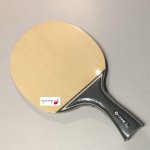
Today, I’d like to introduce a new product—some of you may have already seen it in a recent video—LA Jungpen’s custom blade.
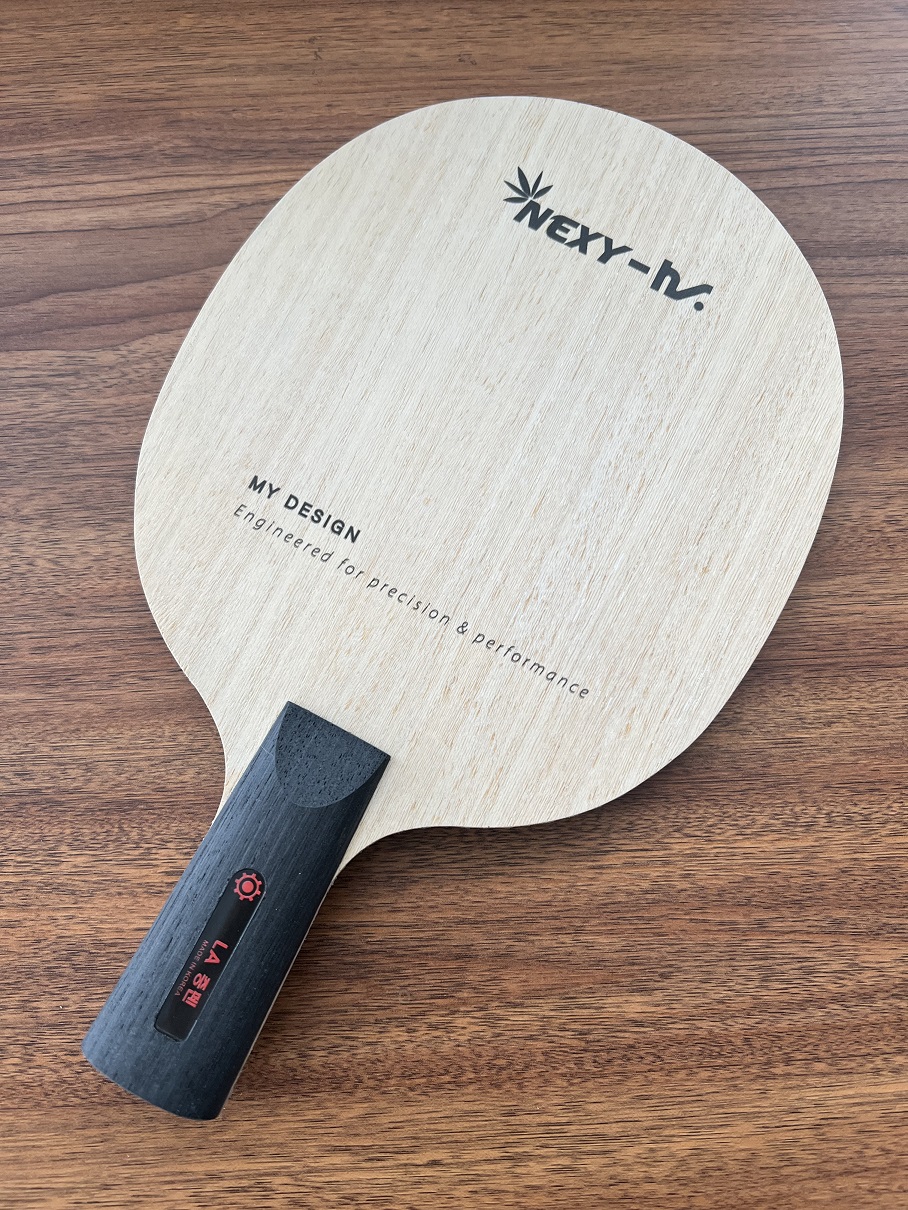
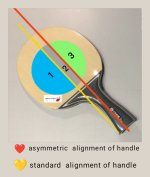
LA Jungpen specifically requested a strongly asymmetrical blade, so we designed one for him.
First, the outer plies on each side are different:
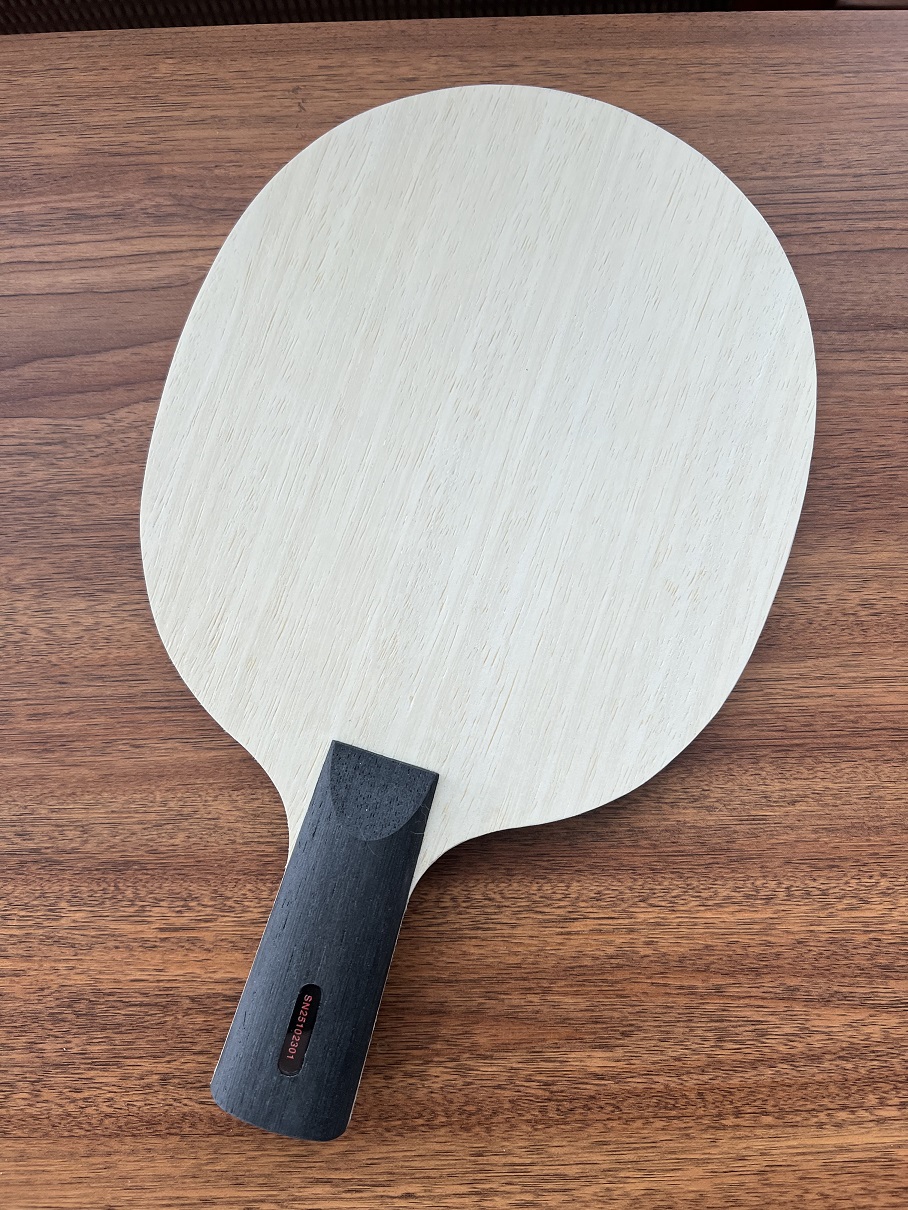
The Limba on the backhand has a very soft and smooth grain.
Interestingly, both sides use an inner-fiber construction.
In other words, we placed Limba under the Koto layer, and beneath that, we applied an aramid-carbon layer.
At our factory, we often combine several types of ALC-family fibers depending on the design, but for this blade, we specifically chose aramid-carbon.
Under the top Koto layer, we inserted an Ayous core layer.
We chose Ayous because of its unique characteristics—
it wraps the ball at the point of contact and releases it straight back with stability.
Ayous is extremely well suited for this role.
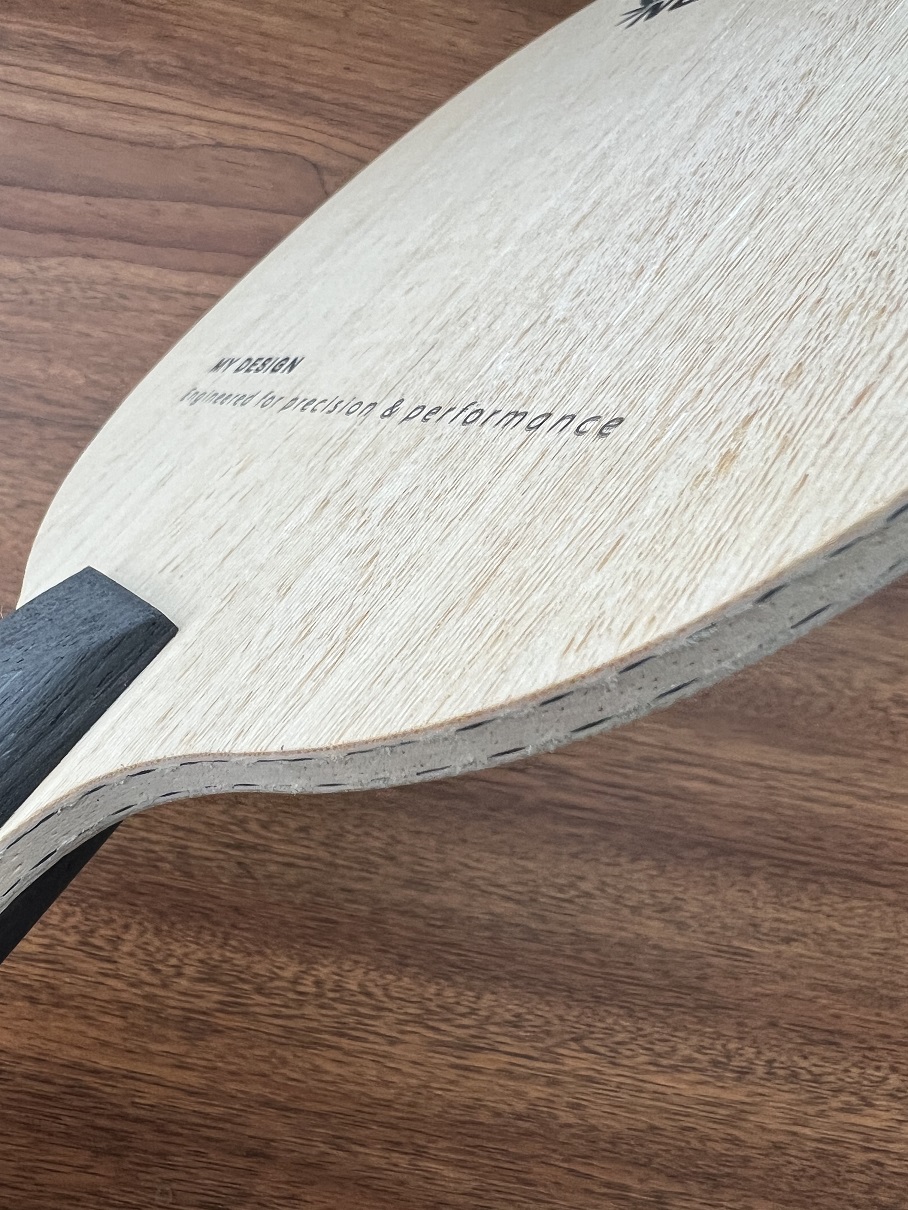
Overall, because the Koto layer is not thick, and Ayous sits beneath it followed by the aramid-carbon layer,
this blade is expected to have a very solid and weighty impact feel.
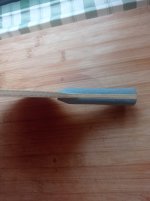
The total thickness is about 6.0 mm,
and the current weight is 84g.
Over time it may settle closer to 82g.
Right now, it measures 83.2g on the scale.
Now, let me show you the blade made for LA Jungpen’s colleague.
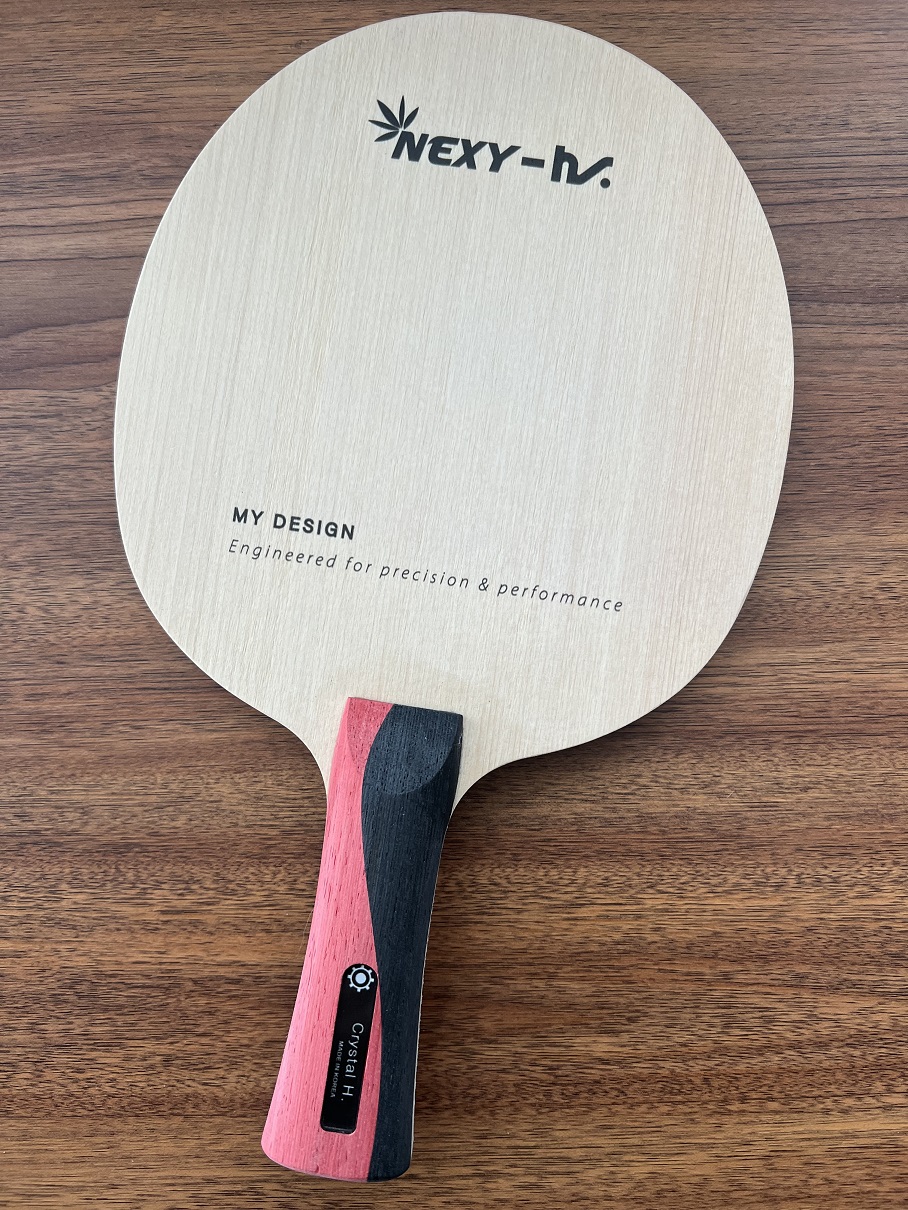
Can you guess the outer ply?
That’s right—
it is Kiso Hinoki.
The colleague is a woman, and she seems to prefer a lively, crisp impact feel.
She requested Kiso Hinoki on the forehand side.
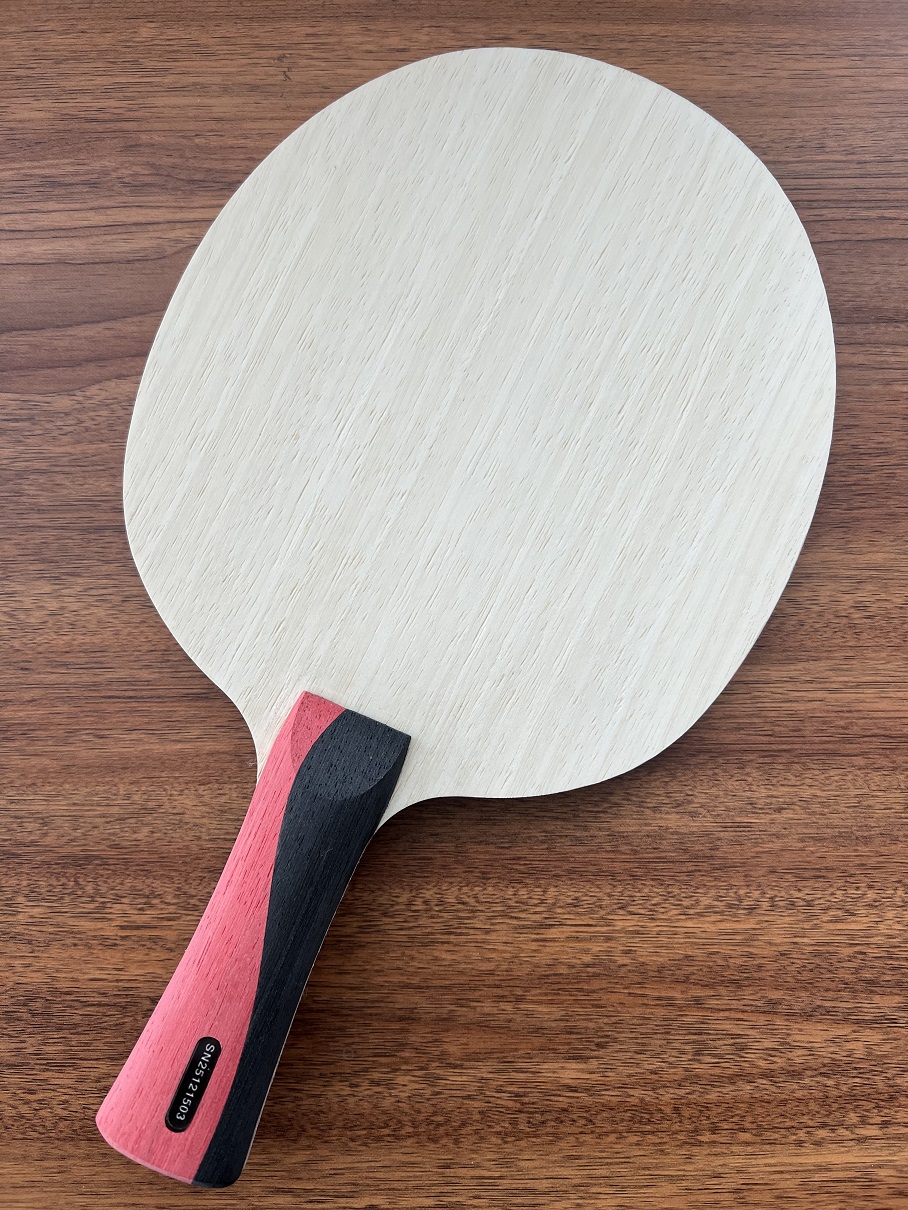
For the backhand side, we used Limba, again paired with an ALC layer.
This type of two-sided contrast makes for a very interesting blade configuration.
The inner wood of this blade is also Ayous.
Ayous serves as a firm internal support, giving a stable striking sensation from within.
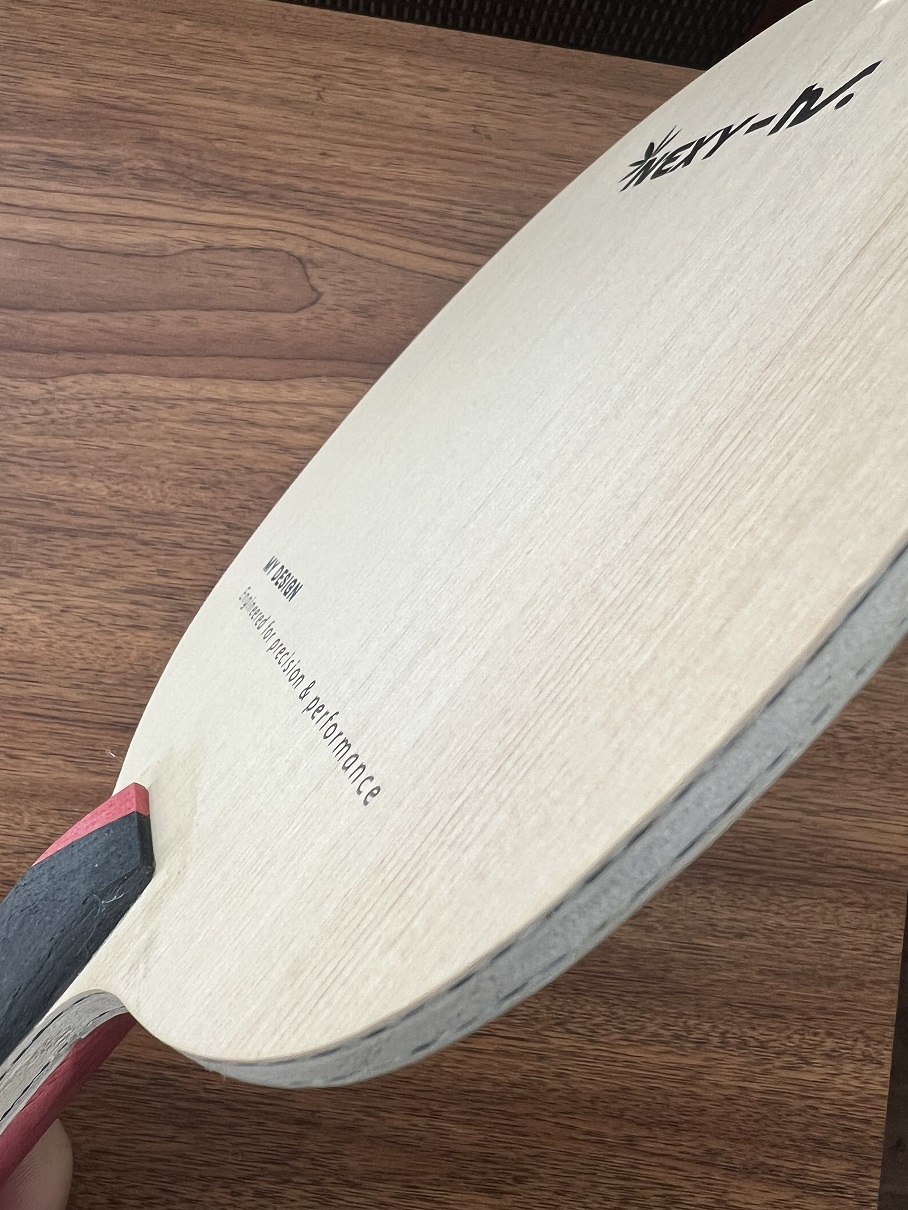
If you’ve been following my explanations for a while,you probably understand blade structures quite well by now.In most cases, the layer we recommend beneath the top ply is Ayous.
Of course, other woods such as Spruce, or even Limba or Hinoki, can also be used.
But based on my accumulated data and experience, Ayous tends to deliver the most desirable results in many designs.
Producing blades with different plies on each side is something that most manufacturers strongly avoid.
This is because there are cases where the outer ply may lift or peel over time.
However—we have never had such an issue.
That is thanks to our patented glue layer,
which provides extremely strong structural bonding and creates a very firm impact feel.
I am quite curious to see what playing experience these two players will have with their new blades.
I’ll stop here.
Thank you very much.
This is Oscar from Nexy.
It has been a while since I last shared news about Nexy’s fitting-blade projects.
Today, I’d like to introduce a new product—some of you may have already seen it in a recent video—LA Jungpen’s custom blade.
LA Jungpen specifically requested a strongly asymmetrical blade, so we designed one for him.
First, the outer plies on each side are different:
- The forehand side uses Koto,
- And the backhand side uses Limba.
The Limba on the backhand has a very soft and smooth grain.
Interestingly, both sides use an inner-fiber construction.
In other words, we placed Limba under the Koto layer, and beneath that, we applied an aramid-carbon layer.
At our factory, we often combine several types of ALC-family fibers depending on the design, but for this blade, we specifically chose aramid-carbon.
Under the top Koto layer, we inserted an Ayous core layer.
We chose Ayous because of its unique characteristics—
it wraps the ball at the point of contact and releases it straight back with stability.
Ayous is extremely well suited for this role.
Overall, because the Koto layer is not thick, and Ayous sits beneath it followed by the aramid-carbon layer,
this blade is expected to have a very solid and weighty impact feel.
The total thickness is about 6.0 mm,
and the current weight is 84g.
Over time it may settle closer to 82g.
Right now, it measures 83.2g on the scale.
Now, let me show you the blade made for LA Jungpen’s colleague.
Can you guess the outer ply?
That’s right—
it is Kiso Hinoki.
The colleague is a woman, and she seems to prefer a lively, crisp impact feel.
She requested Kiso Hinoki on the forehand side.
For the backhand side, we used Limba, again paired with an ALC layer.
This type of two-sided contrast makes for a very interesting blade configuration.
The inner wood of this blade is also Ayous.
Ayous serves as a firm internal support, giving a stable striking sensation from within.
If you’ve been following my explanations for a while,you probably understand blade structures quite well by now.In most cases, the layer we recommend beneath the top ply is Ayous.
Of course, other woods such as Spruce, or even Limba or Hinoki, can also be used.
But based on my accumulated data and experience, Ayous tends to deliver the most desirable results in many designs.
Producing blades with different plies on each side is something that most manufacturers strongly avoid.
This is because there are cases where the outer ply may lift or peel over time.
However—we have never had such an issue.
That is thanks to our patented glue layer,
which provides extremely strong structural bonding and creates a very firm impact feel.
I am quite curious to see what playing experience these two players will have with their new blades.
I’ll stop here.
Thank you very much.