Fastarc G-1: lightweight alternatives

This user has no status.
Member
Nov 2025
71
109
278
Personally I would go with Fastarc C1. I found it consistently 2-3g lighter than my G1. It also feels quite similar to G1 and the topsheet is quite durable.

The softer sponge does lose some of its bounce, but it happens gradually. My C1 sheets lasted longer than the Rakza 7 I had previously used, and Rakza 7 is considered quite durable.
 
  • Like
Reactions: Nukto
This user has no status.
🏆 Top 1% Commenter
Well-Known Member
Apr 2014
1,820
1,417
3,312
Read 3 reviews
The T05 from my experience is what the G1 dreams about being.
Well said.
That whole generation of rubbers (G1, Genius, Vega pro...) was meant to mimic t05 but never came close enough, hence at least on FH most "ESN rubber" sponsored players wouldn´t be seen dead with a sponsor rubber.

On lower levels, it didn´t matter as much.
 
  • Like
Reactions: Nukto
This user has no status.
🏆 Top 1% Commenter
Well-Known Member
Apr 2014
1,820
1,417
3,312
Read 3 reviews
It also feels quite similar to G1
It´s very likely the same topsheet, so if the difference in hardness is no problem I´d probably go for that as well.

But with all the variables in production, weight optimization demands
- knowing what the weight of the current rubber is, uncut and unpacked
- knowing what the range of that rubber is and whether you have a light or a heavy one
- knowing what the range of the desired replacement is
- and not just buying casually but weighing every time before you buy, hence buying online is pretty much out

And also importantly, the weight itself is often less of a problem than the balance, so before going all theoretical with rubber weights maybe try fixing a coin to the end of the racket and see where more weight, but different balance will lead you.
 
This user has no status.
Active Member
Nov 2019
837
757
3,039
Read 1 reviews
Light ESN (everything made in Germany) rubbers: not many with that sponge hardness. Victas V>11 is one of the exceptions with less than 45g cut but less durable (30 to 40 hours for the sponge) than Vega Pro or FastArc G-1. In practice this means that one either has to boost after a while to restore the playing properties before the topheet has lost too much grip or change rubbers earlier.
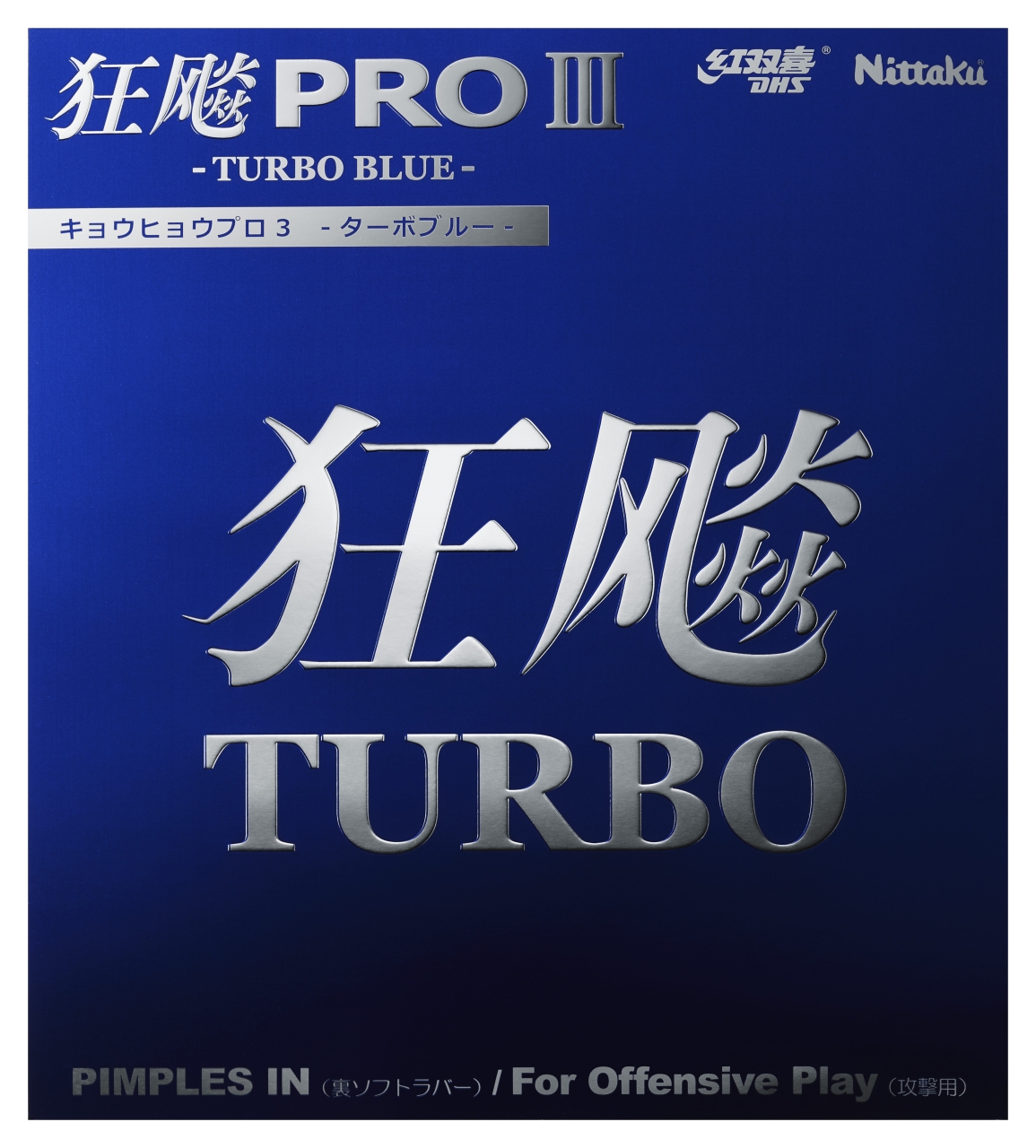
Rakza Z is also quite heavy especially the EH 1). Not as heavy as a Turbo Blue but heavier than H3N BS or OS.
H3N 37 can also be below 45g cut.
Glayzer 09C (I only had red ones), 2.1mm, 99g / 100g including package were usually around 43g to 44g cut to my 157 mm x 150 mm blades (typical head size of a Viscaria, V14Pro or YEO). With 42° Butterfly or around 52° ESN it needs good technique to produce good quality shots (or some boosting ;))
Afaik the Stratus Power Wood has a head size like a Korbel (158 mm x 152 mm) so switching to the V14Pro will save a bit weight.
If boosting is not an option than I would choose a FH rubber similar to what @latej proposed: H3N OS, Rxton9 or Battle 3. Glayzer 09C only if one likes high throwing rubbers on FH

1) https://www.tabletennisdaily.com/forum/topics/yasaka-rakza-z-and-rakza-z-extra-hard-rubbers.23463/
 
  • Like
Reactions: Nukto
This user has no status.
Gomas ESN ligeras (fabricadas en Alemania): pocas con esa dureza de esponja. La Victas V>11 es una de las excepciones, con un corte inferior a 45 g, pero menos duradera (de 30 a 40 horas para la esponja) que la Vega Pro o la FastArc G-1. En la práctica, esto significa que hay que aplicar potenciador después de un tiempo para recuperar las propiedades de juego antes de que el topheet pierda demasiado agarre, o cambiar de goma antes.
Rakza Z también es bastante pesado, especialmente el EH 1). No tan pesado como un Turbo Blue, pero más pesado que H3N BS u OS.
El H3N 37 también puede tener un corte inferior a 45 g.
Glayzer 09C (solo tenía los rojos), 2,1 mm, 99 g / 100 g incluido el paquete, normalmente pesaban entre 43 g y 44 g cortados para mis cuchillas de 157 mm x 150 mm (tamaño típico de la cabeza de una Viscaria, V14Pro o YEO). Con 42° Butterfly o alrededor de 52° ESN se necesita una buena técnica para producir disparos de buena calidad (o algo de boosting ;)).
Por lo que sé, el Stratus Power Wood tiene un tamaño de cabeza similar al de un Korbel (158 mm x 152 mm), por lo que cambiar al V14Pro ahorrará algo de peso.
Si potenciar la pelota no es una opción, elegiría una goma de derecha similar a la que propuso @latej: H3N OS, Rxton9 o Battle 3. Glayzer 09C solo si se prefieren gomas de alto lanzamiento en la derecha.

1) https://www.tabletennisdaily.com/forum/topics/yasaka-rakza-z-and-rakza-z-extra-hard-rubbers.23463/

¿Cómo compararías la Nittaku H3 Turbo Blue con la H3 OS en términos de efecto, velocidad y facilidad de uso?

¿Qué dureza H3 OS sería la más similar a la de Nittaku?
 
This user has no status.
Active Member
Nov 2019
837
757
3,039
Read 1 reviews
¿Cómo compararías la Nittaku H3 Turbo Blue con la H3 OS en términos de efecto, velocidad y facilidad de uso?

¿Qué dureza H3 OS sería la más similar a la de Nittaku?

I don't think my Spanish is good enough to answer in Spanish

IMO Patrick Hrdlicka did the most comprehensive comparison of these rubbers for TT11
https://blog.tabletennis11.com/nittaku-hurricane-pro-3-turbo-orange-review

Hardness is interesting:
Nittaku says:
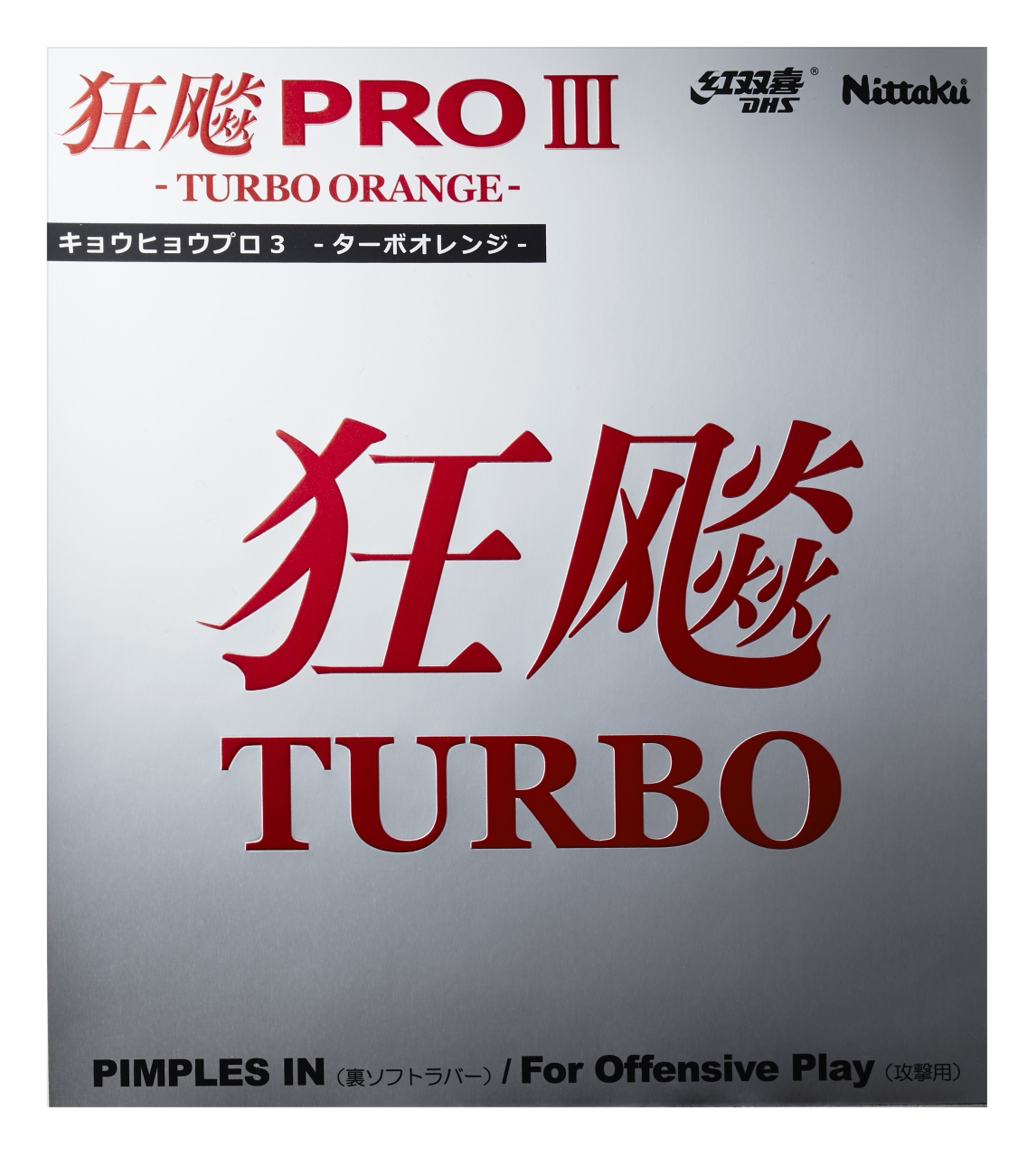
- Turbo Blue 50° (Japanese/Butterfly) which they translate to 60° ESN or around 42°/43° DHS Shore A
- Turbo Orange 45° = 55° ESN around 41° DHS/Shore A
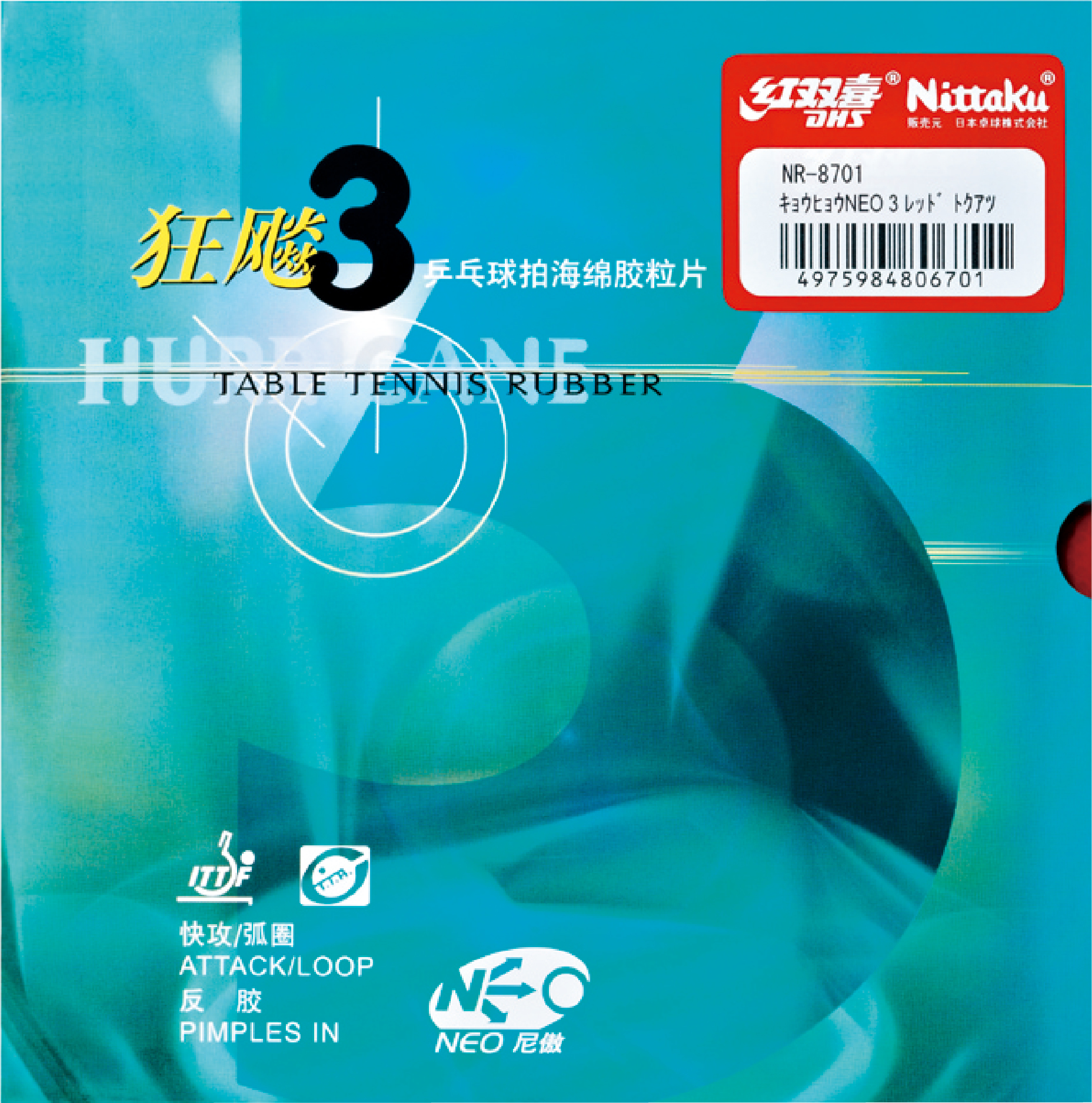
- H3N OS / NR-8701 (that's Nittakus provincial H3N OS) 42.5° = 52.5° ESN maybe around 39.5° (felt somewhere between H3N 39 and 40)

 
This user has no status.
No creo que mi español sea lo suficientemente bueno como para responder en español.

En mi opinión, Patrick Hrdlicka realizó la comparación más completa de estas gomas para TT11.
https://blog.tabletennis11.com/nittaku-hurricane-pro-3-turbo-orange-review

La dureza es interesante:
Nittaku dice:
- Turbo Azul 50° (Japonés/Mariposa), que traducen a 60° ESN o alrededor de 42°/43° DHS Shore A
- Turbo Naranja 45° = 55° ESN alrededor de 41° DHS/Shore A
- H3N OS / NR-8701 (es decir, H3N OS provincial de Nittakus) 42,5° = 52,5° ESN tal vez alrededor de 39,5° (sensación térmica entre H3N 39 y 40)

Sorry, I didn't realize I had sent it in Spanish.
 
This user has no status.
I don't think my Spanish is good enough to answer in Spanish

IMO Patrick Hrdlicka did the most comprehensive comparison of these rubbers for TT11
https://blog.tabletennis11.com/nittaku-hurricane-pro-3-turbo-orange-review

Hardness is interesting:
Nittaku says:
- Turbo Blue 50° (Japanese/Butterfly) which they translate to 60° ESN or around 42°/43° DHS Shore A
- Turbo Orange 45° = 55° ESN around 41° DHS/Shore A
- H3N OS / NR-8701 (that's Nittakus provincial H3N OS) 42.5° = 52.5° ESN maybe around 39.5° (felt somewhere between H3N 39 and 40)

One more question, how do the Nittaku H3 Turbo Blue compare to the Nittaku H3 NR-8701 and the Nittaku H3 Pro?
 
Top