
assembling a racket

This user has no status.
Hello. I have 3 Questions for this topic.

1. is it true that using speed glue makes removing the rubber from the blade easier and it doesn't need the glue to be removed, while the water based is harder to remove or does it depend which glue you use?

2. Ive been using the cheap Toktee glue and it's okay but my problem is, unlike what i see in tiktoks where they assemble a racket, the glue is thick, and easier to spread, whilst the Toktee glue i use, it's runny, and i think that's the reason why it dries faster even though im not done evening it yet. so i want to try a thick glue to easily spread and easy to remove when changing equipment.

3. what do i need to use to cut the rubber so it's perfectly cut? i don't want to buy the machine that cuts the rubber perfectly because it's pricey than some xiom/stiga brandes cutting blades

hoping someone is patient enough to answer my questions.
 
This user has no status.
Member
Jun 2025
196
203
583
1. Don't use speed glue.

2. Use water based glue DHS 15 or Suke 02. Thick and easy to remove.

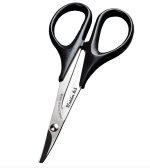
3. Scalpel and tool knife have very good results, but you need practice to make a good cut without separating rubber from the blade. A more easy and forgiving way to cut is use of sharp scissors. The trick is to make very small cuts and to apply a constant and small amount of pressure.

Bonus:
Always seal your blade. PU lacquer and OSMO oil have good results. Cut your rubber 1mm bigger from all directions. Rubbers shrink with time. When you reglue, use baking paper between rubber and blade to adjust the rubber position.

Scissors Revolution Nr.3:
 

Attachments

  • Screenshot_20260314_173025_Chrome.jpg
    Screenshot_20260314_173025_Chrome.jpg
    151.3 KB · Views: 33
Last edited:
  • Like
Reactions: golden_son
This user has no status.
1. Don't use speed glue.

2. Use water based glue DHS 15 or Suke 02. Thick and easy to remove.

3. Scalpel and tool knife have very good results, but you need practice to make a good cut without separating rubber from the blade. A more easy and forgiving way to cut is use of sharp scissors. The trick is to make very small cuts and to apply a constant and small amount of pressure.

Bonus:
Always seal your blade. PU lacquer and OSMO oil have good results. Cut your rubber 1mm bigger from all directions. Rubbers shrink with time. When you reglue, use baking paper between rubber and blade to adjust the rubber position.

Scissors Revolution Nr.3:
thanks for the glue suggestion. anyway, scalpel i think is good, scissor recommendation also good

but what does sealing the blade meant to do? ive been just gluing rubbers here and there, never tried boosting or sealing. what does it do and how?
 
This user has no status.
Member
Jun 2025
196
203
583
thanks for the glue suggestion. anyway, scalpel i think is good, scissor recommendation also good

but what does sealing the blade meant to do? ive been just gluing rubbers here and there, never tried boosting or sealing. what does it do and how?
The AI answer for blade sealing is sufficient:

Sealing a table tennis blade involves applying a thin protective layer—usually a specialized water-based lacquer or polyurethane—to the wood surface. This process is primarily done to protect the wood from damage during rubber changes. [1, 2, 3, 4]

Why you should seal your blade

  • Prevent Splintering: Modern water-based glues are very strong. Without sealing, peeling off old rubbers can pull up wood fibers or even large chunks from the top ply, effectively ruining an expensive blade.
  • Moisture Protection: Sealing creates a barrier that prevents the water in modern glues, as well as sweat and humidity, from soaking into the porous wood fibers. Excess moisture can cause wood to warp or lose its "crisp" feel over time.
  • Easier Maintenance: A sealed surface allows glue to be rubbed off more cleanly and quickly, simplifying the process of preparing the blade for new rubbers.
  • Brand-Specific Needs: Some brands, like Stiga, are known for having delicate, unsealed outer plies (often Limba) that are highly prone to splintering if not treated. [1, 2, 5, 6, 7, 8, 9, 10]

Important considerations

  • Use Light Coats: Applying too much sealer can make the blade surface too slick, causing rubbers to bubble or lift at the edges. It can also make the blade feel harder and "dead," reducing your control and feedback.
  • Adhesion Tips: If the surface becomes too glossy after sealing, you can lightly sand it with fine-grit sandpaper (around 400-800 grit) to help the glue "bite" better.
  • Avoid the Handle: Most players do not seal the handle, as it can make the grip feel slippery or sticky when your hands sweat. [2, 10, 11, 12, 13]

How to do it

  1. Clean the surface to remove dust or old glue residue.
  2. Apply a very thin, even layer of sealer using a small sponge or foam brush, following the wood grain.
  3. Wipe off any excess immediately with a dry cloth.
  4. Let it cure completely (ideally overnight) before attempting to glue on new rubbers. [2, 3, 9, 10, 14, 15]
Do you have a specific blade model in mind, or are you looking for recommendations for sealant brands?

[1] https://www.pingskills.com
[2] https://pingpongruler.com
[3] https://tabletennisshop.com.au
[4] https://www.youtube.com
[5] https://www.youtube.com
[6] https://www.tabletennisdaily.com
[7] https://www.youtube.com
[8] https://www.youtube.com
[9] https://davidhulme.wordpress.com
[10] https://shop-ping.be
[11] https://www.tabletennisdaily.com
[12] https://www.tabletennisdaily.com
[13] https://www.tabletennisdaily.com
[14] https://www.tabletennisdaily.com
[15]
https://www.tabletennisdaily.com

You can check with the AI how to seal a blade and what is rubbers boosting. Also videos in youtobe.
 
  • Like
Reactions: pendulumboi
Top