I don't fully agree, but I understand the sentiment.
1. None of this is new development. Rubbers were marketed with immeasurable claims in the 90s, blades had all kinds of "technology" and player names on them. It has always been black box.
But, back in the 90s there were simply far fewer options, and unless you were a specialist player you played with basically the same rubber for everyone. Butterfly Sriver, Donic Vario, Tibhar Vari Spin, Yasaka Mark V depending on brand ties/preference. The top players used those, too, but they drastically altered the performance with speed glue.
One big difference is that brands are offering dozens of variants of the same product, usually with numbers denominating the approximate hardness. If you strip that away and just reduce things to product lines, things become a lot easier. I do agree that the influx of hybrids is making it harder to see what is what.
Still, you can simplify today's rubber lineups pretty much the same way:
We have classic euro (Sriver), tensors (Tenergy), hybrids (NUZN), modern Chinese (H3) and classic Chinese (Globe 999).
So it's a 3 step program:
1. Pick a rubber style.
- Primary reason should be playstyle
- Secondary reason feeling
- Third reason, brand preference (if you want to further simplify the choice, pick a brand first)
2. Pick a rubber difficulty level
- Beginner, you need a lot of tolerance and easy access to rubber mechanics. Go soft, slower and control-oriented.
- Intermediate, best off with medium everything. Go back to soft if you can't get unforced errors under control.
- Advanced, you know better what you need than strangers on a forum. Ask your coach if you don't know. If you don't have a coach or someone else you trust with this, you're not (equipped to be) Advanced, go back to Intermediate.
- Pro, ask your sponsor.
3. Pick a brand (if you haven't already done so in step 1)
The problem here is honestly just incomplete information overload. Hundreds of threads about people picking all kinds of (usually advanced) gear, without much context about:
- what their playing level is
- what playstyle they have
- what coaching resources they have
- if their choice in equipment is actually helpful
There's no good way of telling, from an internet forum (or even from club amateurs these days because they've made choices based on this scrambled information) what kind of equipment will be helpful to you. The black box is, in a way, the internet filled with incomplete ramblings.
In fact, I think most brand catalogs tell a more realistic, honest story about what their equipment is and who it's for. People just don't want to hear it.
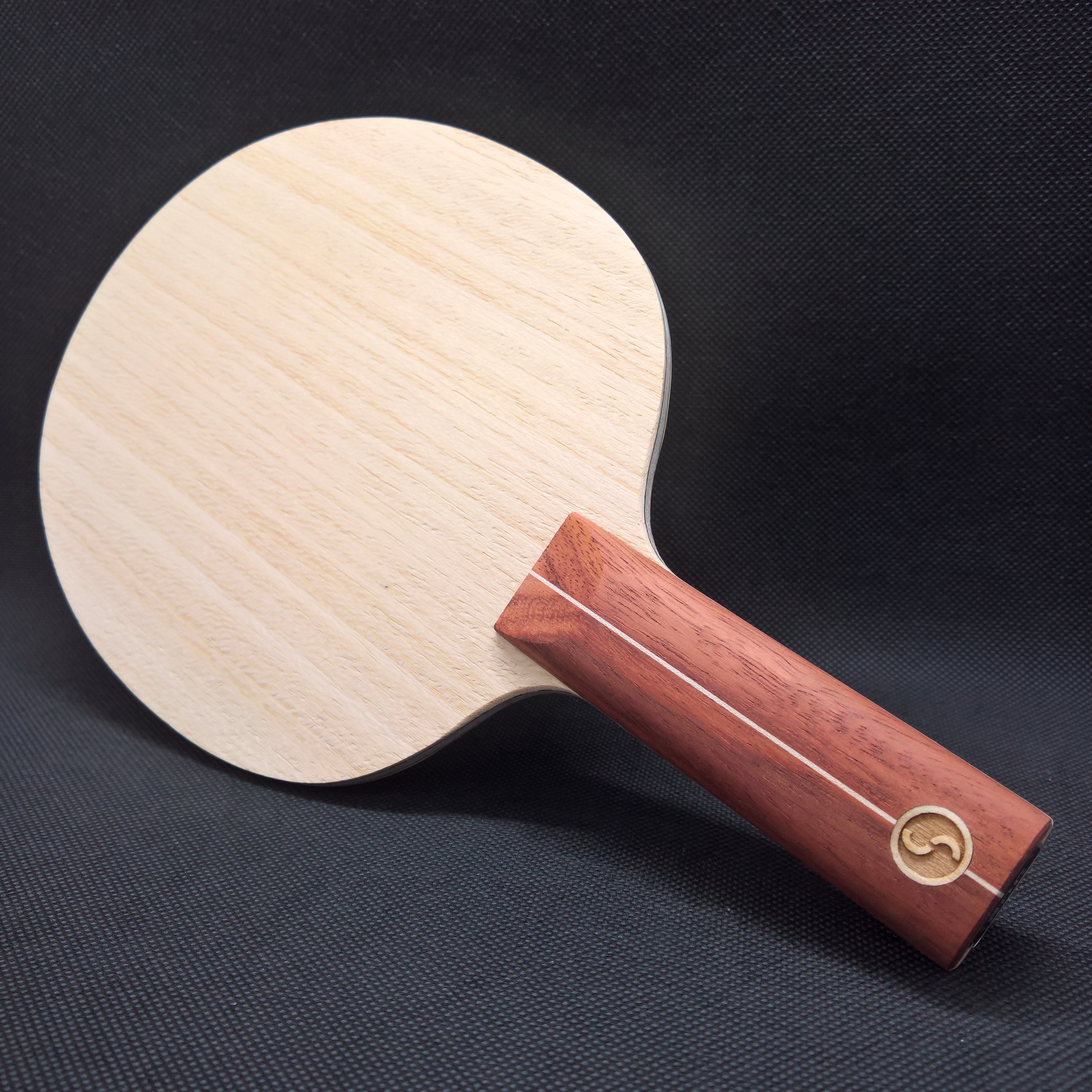
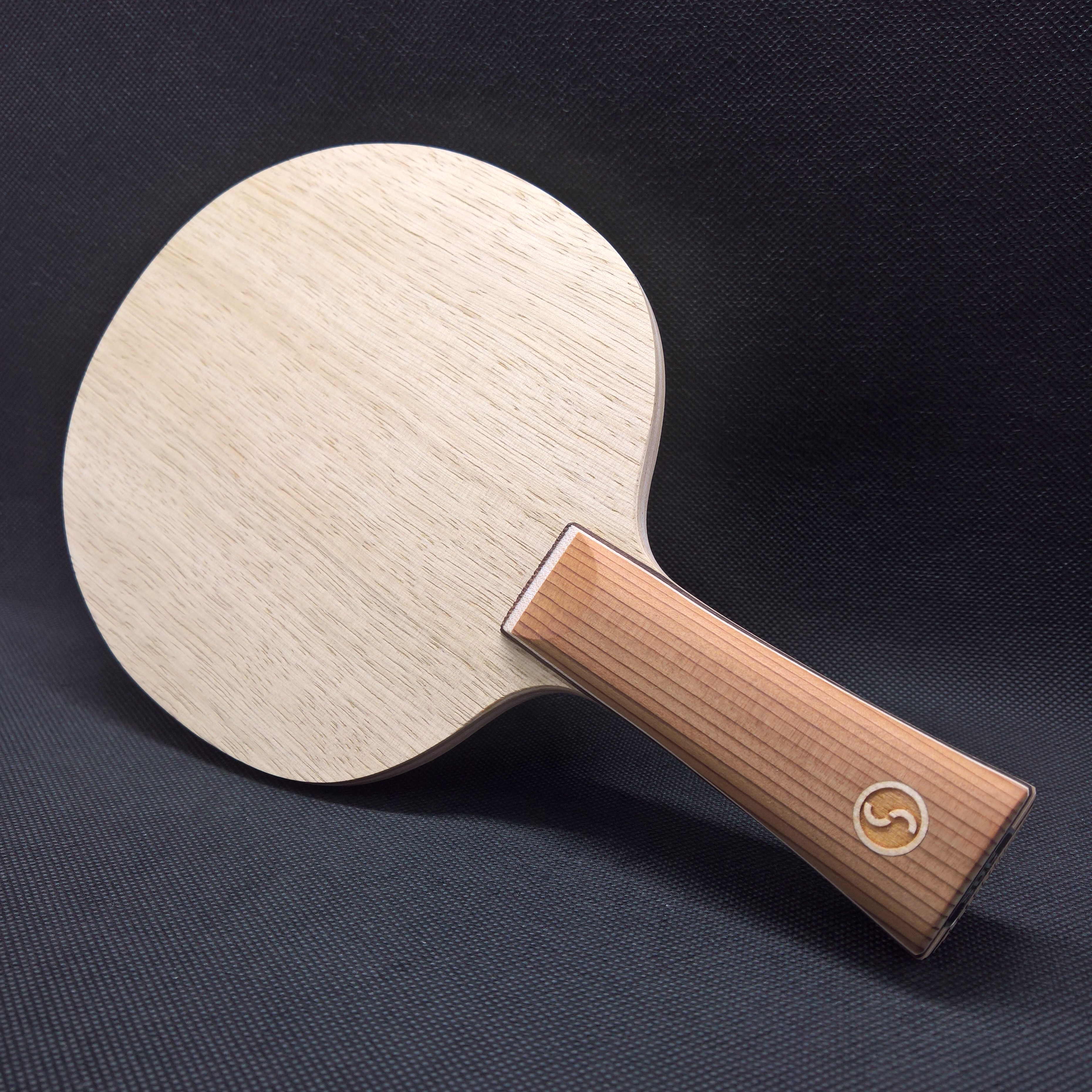
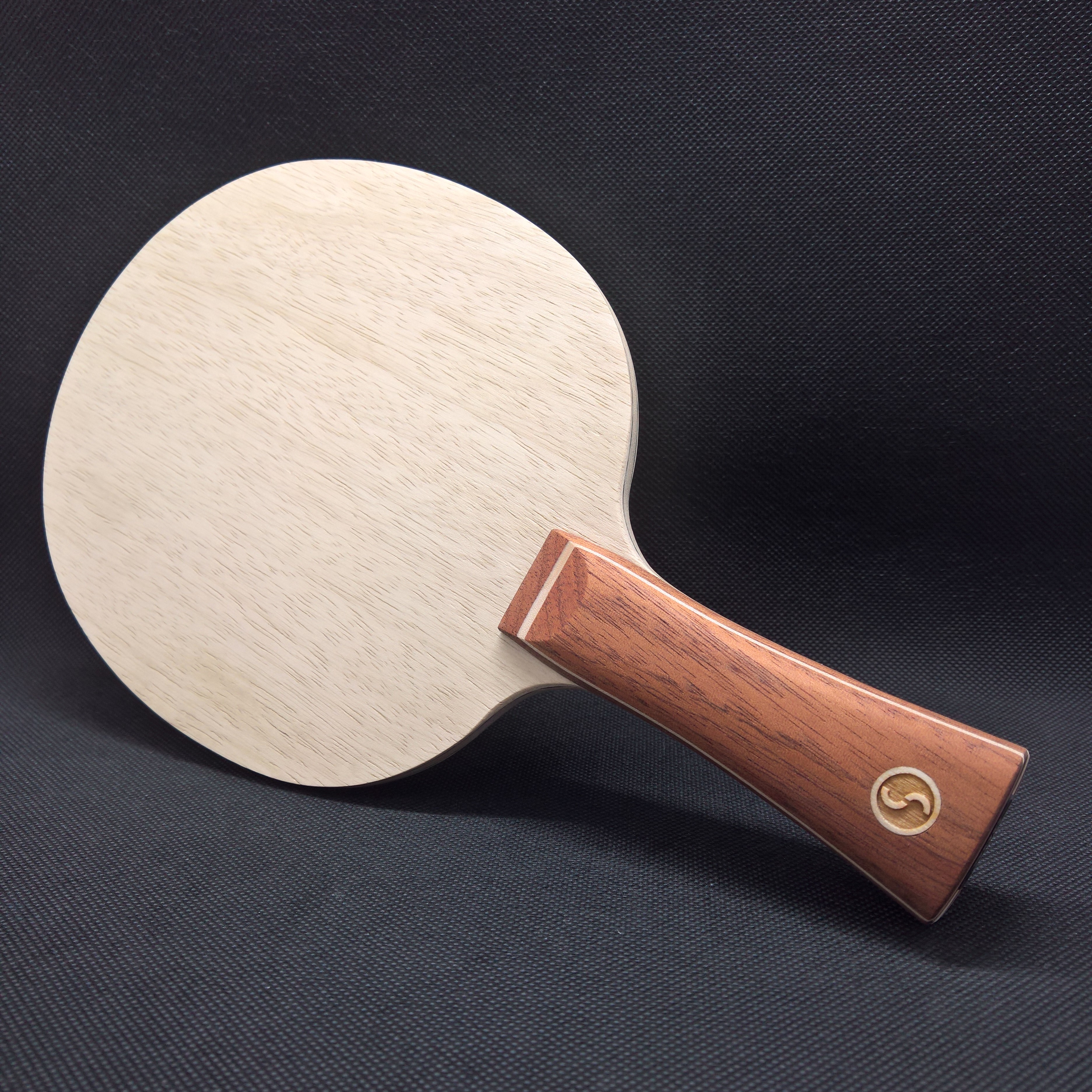
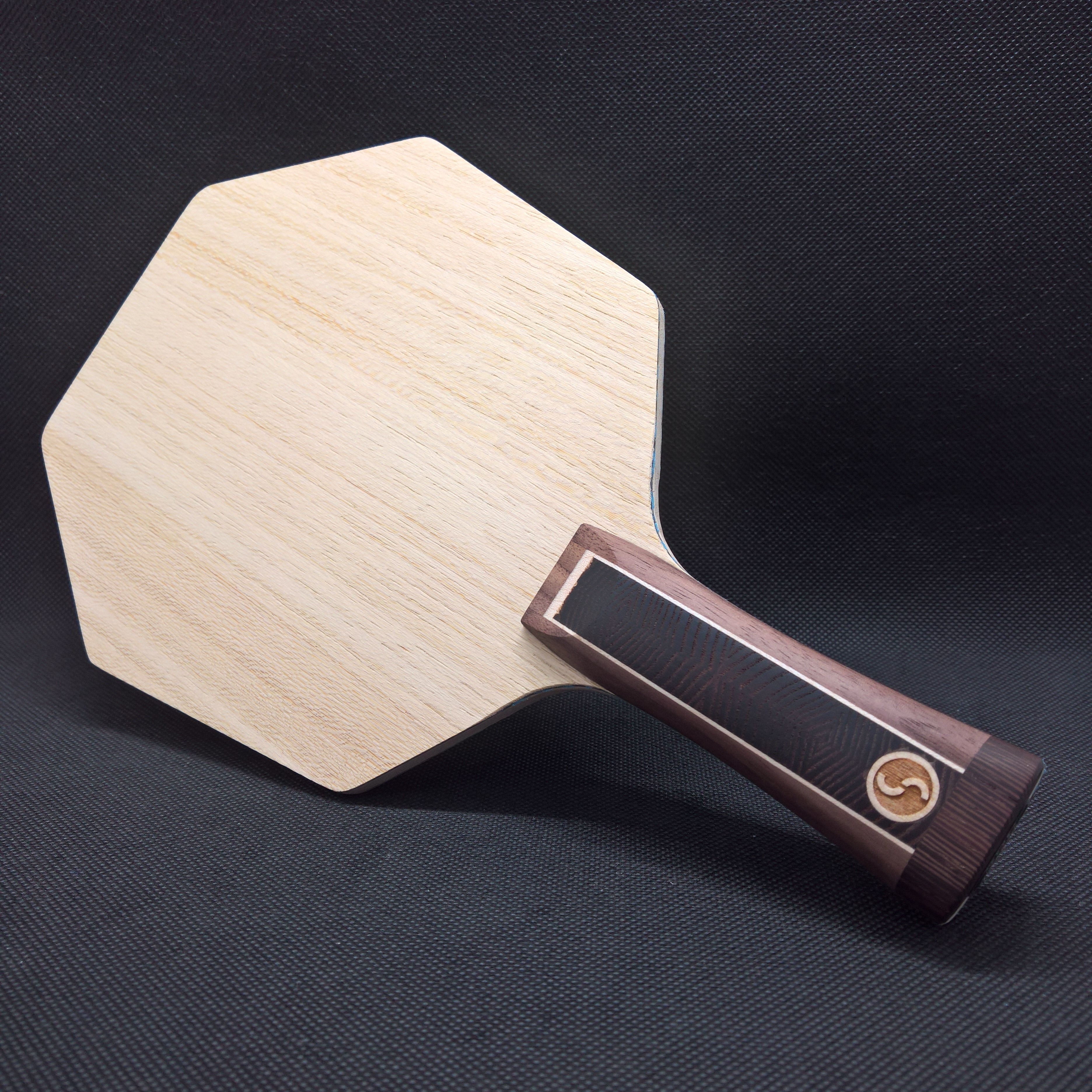
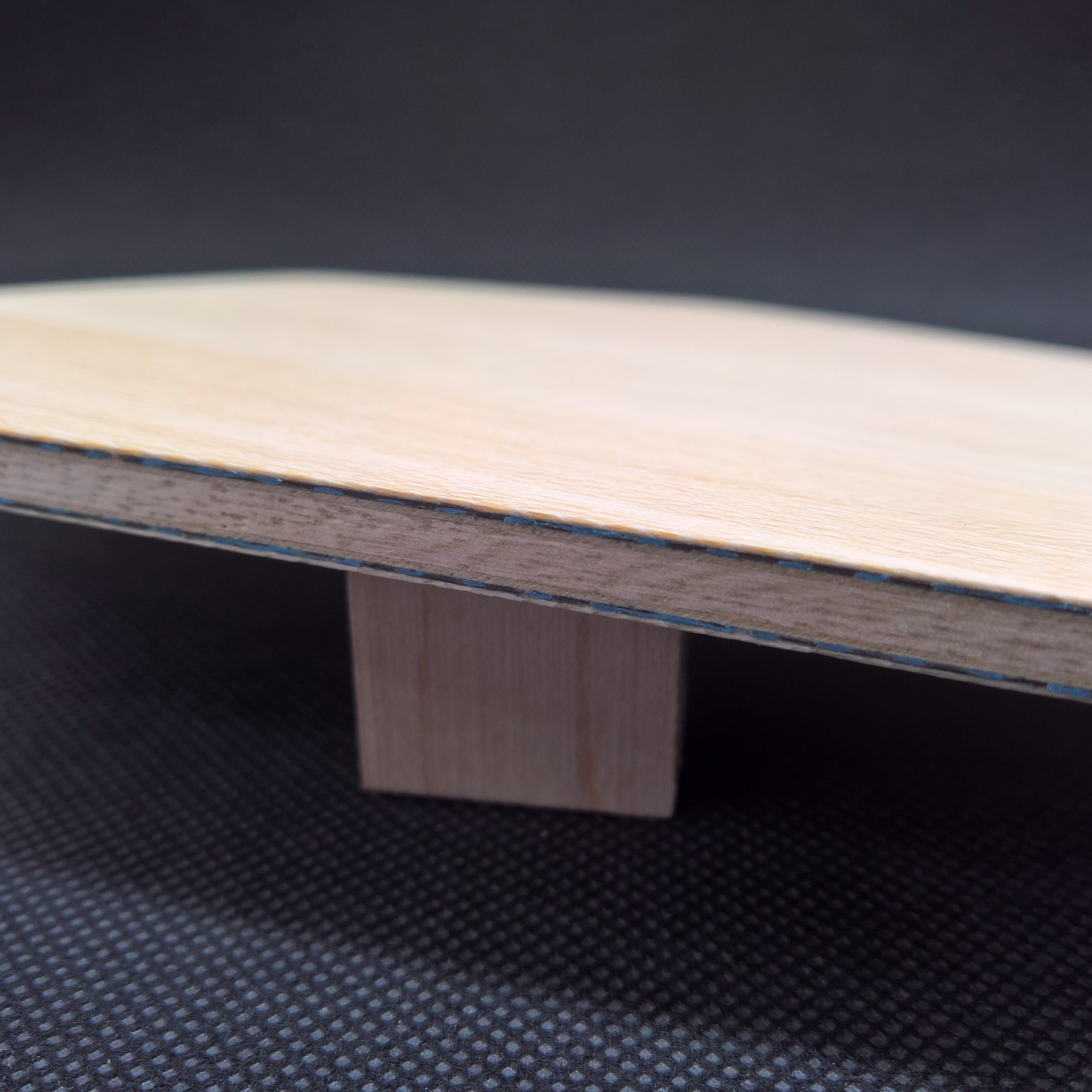
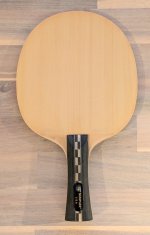
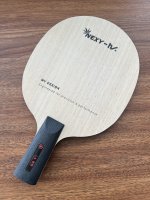
Coming to 90s blades, most blades were 5ply or 7ply wood, and most of them had the same wood types. Yes, there was a lot of gimmicky tech, but essentially you could pick anything and pair it with a classic rubber and call it a day.
Now, fibers are commonplace which definitely adds a layer (pun intended) of complexity to the equation. Also, a lot of things have changed because of the ball changes, most prominently resulting in playstyle/speed labels on older models not being applicable to the current game.
So, how do you pick a blade?
1. Brand preference. Biggest filter, gets the most options out of the way. Pick and stick with a brand. Did you already pick a rubber brand? Use the same blade brand. If you haven't, go do that now. Why? It makes things easier. A brand will have a blade and rubber match ready for your level, because they develop stuff with a certain philosophy.
2. Determine what you need based by level:
- Beginner, you need tolerance, feeling, feedback. Since you already picked your brand, you can now get something, without fiber or at the most a bit of fleecy fluff, from their basic/beginner range. You can usually find the range by price point. A beginner blade and beginner rubber from the same brand will match 99% of the time.
- Intermediate, as with Intermediate rubber choice, you want to go for balance. Medium rubbers will still work on almost every blade, including the Beginner blade you're picked. If you want to make sure the rubber/blade combination isn't wrong, a solid 7ply will fit anything you throw at it, even pimples/anti.
- Advanced, see the advanced rubber choice advice. Don't put your fate in the hands of random internet strangers.
Note: I have not once advised fibers, and I won't. I have a combined experience of 15+ years of coached TT, and I still see plenty, if not all, successful younger players (we're talking national levels) using all-wood blades. I have actually helped one of them by letting him try out my Innerforce ALC and while he did make the switch coming from a Korbel, I don't think he's playing better for it. He's lost a lot of feeling and precision in the process.
Now your second point, and I think there's a translation issue there.
- Absolutely agree, we should not be equalising competition to the blade. Playing with a top range blade doesn't make you a better player, and vice versa, playing with a beginner setup doesn't make you a bad player. Most of it is commercialized bullshit, creating "needs" that aren't really there. We want to buy upwards from our current level hoping for some kind of equipment-induced improvement but the only significant improvement will be from learning to use it, frequently, extensively and with the right guidance.
- I would say the sport is more "pay to lose" than "pay to win", given the amount of crap people buy that makes them actually play worse, whether that is by it not being a good fit, or by simply never getting around to mastering a single setup. The more you pay, the worse you play.
- "True" competitive players will not have the mindset to worry about their equipment. They will be way too busy working on things they can improve. It's that kind of player that will make it to the first team.
Your third point, composite wood (like MDF) is technically not allowed. I also think wood is a renewable source as you can just grow new trees. It's the fiber layers (and to a much smaller extent the glue) that make a blade not eco friendly, and you can kind of mitigate that by going for stuff like CNF (cellulose) or simply all-wood blades.
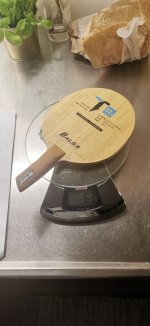
As for using off-cuts, you can make a layer by gluing smaller pieces together. It's not always ideal but it can work and it is done by blade manufacturers.