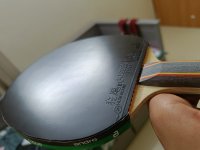
Did a bit more reading on the turpines present in both spruce timber and latex rubber to see if I could identify exactly what terpines you'd need to recreate the effect. Here's what I found:
-- the effect is definitely real. Natural latex itself is also a terpine (didnt know that bit!) and the reason volatile spruce terpines soften the rubber is because they share a common molecular building block.
The following content came from a Google AI Search I did of organic chemistry journals:
"Possible Rubber Solvents Present in Spruce Extractives:
- Alpha-Pinene (α-pinene): The most abundant bicyclic monoterpene in spruce resin. It serves as a highly aggressive non-polar solvent.
- Beta-Pinene (β-pinene): An isomer of alpha-pinene that acts cooperatively in conifer resin to break down elastomer materials.
- Limonene: A monocyclic monoterpene highly prized for its rapid ability to disrupt weak forces holding rubber chains together.
- 3-Carene & Myrcene: Supporting monoterpene hydrocarbons that add to the wood's natural solvent and defense properties.
Why Spruce Terpenes Dissolve Rubber
The interaction between these spruce wood terpenes and rubber relies entirely on the chemical rule of
"like dissolves like": [
1,
2]
- Shared Ancestry: Natural rubber is a polyterpene consisting of thousands of repeating isoprene units (polyisoprene). Spruce terpenes are constructed from those exact same structural blocks. [1, 2, 3, 4]
- Molecular Slippage: Because both materials are non-polar hydrocarbons, the tiny monoterpene molecules from the spruce wood easily slide between the long, tangled rubber polymer chains. [1, 2]
- Swelling and Disintegration: These small terpenes disrupt the weak intermolecular forces holding the rubber chains together, causing the elastomer to swell, soften, and separate until it turns into a sticky solution. [1, 2]
Note: While raw or unvulcanized natural rubber latex will dissolve entirely, modern commercial vulcanized rubber (like car tires) contains heavy sulfur cross-links. Contact with spruce terpenes will heavily swell and degrade vulcanized rubber, but it won't melt it into a complete liquid. [
1,
2]
==================================
So mystery solved -- looks llike its definitely those alpha and beta spruce terpines in the old growth spruce that are the most likely culprits.
Those people trying out regular Turpentine and/or Lamp oil are also on the right path, as natural turpentine oil (which is different to mineral turpentine) is a known latex solvent, for the exact same reasons (i.e. there's molecular similarities in its terpines which prompts breaking of cured cross linked molecules in the latex).
Its worth noting there's over 55,000 different turpines out there though so not every resinous softwood is going to have this effect on every TT rubber, and you definitely want to use rubbers with a higher natural latex content.
Will definitely keep digging into this subject for a bit. I still havent fully given up on the "bat booster box" idea... though clearly it's gonna need to be made of multiple different coniferous timbers to create a decent spread of aromatic terpines. Most likely you'll still need to boost your rubbers if you want to keep the extra speed speed happening.
The really GOOD news here though (for those who boost), is once I figure out exactly what woods to use (and in what proportions), a Wakkibat Booster Box should (in theory) save you from having to re-boost your rubbers quite so much, or maybe even make the initial boost last until you wear through the rubber sheet entirely.
The concept here is (again, IN THEORY) to make the first boosting effect last a lot longer by preventing the original VOCs your booster added to the rubber from evaporating away through the concept of dynamic equilibrium.
By keeping the VOCs from your initial boost inside the rubber for longer, this should hopefully remove the need for a second or third boosting alltogether.
This would help prolong the boosted rubber's playing life as well. As the booster box is basicallly replacing the exact same VOCs your boosted rubber loses over time, you don't need to boost the rubber again later. Therefore no overly mushy rubbers from excess booster.
It should also help your standard H3 stay extra sticky over a much longer period to boot. 😉








nice and thick timber but constructed with a lot of surface are exposed in order to work quickly.